


Why Compressed Paper Towels Are Gaining Popularity
Hotels, restaurants, and retailers in Vietnam are switching to compressed paper towels. Here's what's driving it and what to check before you buy.

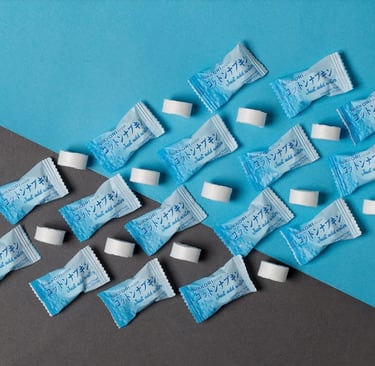
Why Compressed Paper Towels Are Becoming Popular
Your storage room is full again, and the delivery truck just dropped off another bulky case of napkins that takes up half a shelf for the same quantity you could fit into a fraction of that space. If you're a purchasing manager at a hotel, restaurant, or retail outlet in Vietnam weighing whether compressed paper towels are worth switching to, the answer usually comes down to three things: storage, shipping cost, and guest experience — and the math behind all three is more compelling than it first appears.
What Are Compressed Paper Towels, Exactly?
A compressed paper towel is a small, dry tablet — often a coin or capsule shape — made from pressed non-woven fabric or cellulose fiber. It expands into a full-size, damp towel within seconds when soaked in water. Before expansion, it takes up a fraction of the volume of a folded wet wipe or rolled towel, which is the entire basis of why businesses are reconsidering their current supply setup.
This isn't a new material — the compression technology has existed for years — but adoption among hospitality and retail businesses in Vietnam has accelerated recently as more suppliers have brought reliable, food-safe, and skin-safe versions to market at commercial volumes.
Why Are Hotels, Restaurants, and Retailers Switching to Them?
Storage space that actually adds up
A standard case of pre-moistened wet towels takes up considerably more shelf and warehouse space than the same quantity in compressed form, since you're not paying to store and ship water weight and packaging bulk before the product is even used. For a hotel storing thousands of units monthly for guest amenities, or a restaurant chain supplying napkins across multiple outlets, this difference compounds fast — what used to require a full storage rack can often fit on two or three shelves instead.
Lower shipping and distribution cost
This is where the math becomes concrete for Vietnam-based operations specifically. A hotel group distributing amenities from a central Ho Chi Minh City warehouse to properties in Da Nang and Hanoi pays for volume, not just weight, when shipping by truck or rail freight. Compressed towels, shipped dry, can reduce shipping volume for the same unit count by roughly 60–70% compared to pre-moistened towels, since there's no water content and far less packaging bulk to transport. For a mid-sized hotel group moving several pallets of guest amenities monthly between regions, that difference can mean fitting what used to require two trucks onto one.
A stronger hygiene story for guests and diners
Because compressed towels stay completely dry and sealed until the moment they're used — activated with water at the point of use rather than pre-moistened and sitting in packaging for weeks — they carry an inherent "opened fresh in front of you" appeal. For restaurants and hotels positioning themselves around cleanliness and guest confidence, this matters more now than it did five years ago, particularly for dine-in service where the towel is presented at the table.
A small but noticeable guest experience detail
There's also a novelty factor that shouldn't be underestimated in hospitality: watching a small tablet expand into a full towel is a minor, memorable moment for guests, especially in premium hotel check-ins or restaurant table service. It's a small operational choice that occasionally becomes a talking point on review sites — not the primary reason to switch, but a genuine side benefit.
How Much Space and Cost Do They Actually Save?
Here's a concrete comparison for a mid-sized 80-room hotel using roughly 2,400 guest towels per month:
Pre-moistened towels: typically arrive in bulk cases requiring close to a full pallet of storage space per month's supply, plus cold or humidity-controlled storage in some cases to prevent early drying or bacterial growth in the packaging.
Compressed towels: the same monthly quantity, shipped dry, often fits into roughly a third of that pallet space, with no special storage conditions required beyond keeping the product dry.
Over a year, that difference in storage footprint alone can free up enough space for a hotel to reduce a dedicated storage room to a single set of shelves — space that's often repurposed for other inventory.
What Should Buyers in Vietnam Check Before Switching?
Humidity resistance during transport and storage
Vietnam's climate, particularly in the south and during the rainy season, means compressed paper products need reliable moisture-sealed packaging. A compressed towel exposed to ambient humidity for too long before use can start absorbing moisture prematurely, which affects both shelf life and the clean "expansion" experience guests expect. Ask suppliers directly about their packaging's moisture barrier rating rather than assuming all compressed towel packaging performs the same.
Material safety for skin and food-adjacent use
Since these products often touch skin directly or sit on a dining table, confirm the material is certified skin-safe and, where relevant, food-contact safe — not all compressed towel manufacturers hold the same certifications, and this is worth verifying before a bulk order rather than after.
Expansion consistency across a batch
A good compressed towel expands fully and evenly within a few seconds of contact with water. Inconsistent expansion — some tablets expanding fully, others staying partially compressed — is usually a sign of inconsistent manufacturing quality, which becomes a real problem at guest-facing scale.
Is Switching Worth It for Your Business?
For businesses distributing guest or dining amenities across multiple locations in Vietnam, the storage and shipping savings alone often justify a trial order, separate from any guest experience benefit. For single-location businesses with lower volume, the case is less about logistics and more about the hygiene and experience angle — worth weighing against your specific guest expectations and current supplier costs.
Where to Go From Here
If you're trying to work out whether the volume you order monthly would actually translate into meaningful storage or shipping savings, that's a fairly quick calculation to run with real numbers rather than estimates. TH Vietnam's team is happy to walk through the math for your specific location and order volume if that would be useful.